Essex housing stock spans Georgian semis, post-war council terraces, 1990s estate builds, and new timber-frame developments that keep appearing on the edge of Chelmsford, Braintree, and Colchester. Each era brings its own roof quirks and cost surprises. Over the years, working with homeowners, surveyors, and site managers across the county, we have seen patterns repeat. The headline price per square metre only tells a fraction of the story. Access complications, timber condition, insulation levels, planning constraints, and even the week’s weather will shift the numbers.
M.W Beal & Son Roofing Contractors has been involved in everything from modest leak chases that take an afternoon to full slate renewals on listed cottages. The following is a realistic picture of what drives roofing costs in Essex, how to read quotes, and how to make value decisions without paying twice. If you are comparing roofers in Essex or looking for roofers Chelmsford way, the principles apply countywide, though local details matter more than many expect.
What makes Essex roofs cost what they do
Most homeowners start with material choices, and that is logical, but labour and logistics in this region often dominate. Essex is a large county with mixed access, urban traffic, and pockets of conservation oversight that complicate simple jobs.
Material is the obvious line on an estimate. Clay tiles, concrete tiles, natural slate, and composite alternatives all carry different purchase and fitting costs. There are meaningful performance differences too. Natural slate outlasts concrete by decades, but needs a properly prepared deck and fixings that match the exposure. Good clay tiles absorb less water than cheaper concrete options, a factor in windy, wet exposures on the Dengie peninsula. For new-build or full renewals, membrane quality also matters. We still see roofs with budget felt that curls in three years around vents and valleys.
Labour swings with complexity and setup. A straight 2-sided 30-degree concrete tile replacement on an open driveway goes quickly. Add three abutments, two valleys, a chimney flashing, and a rear extension tie-in, and the man-hours climb. If scaffolding requires a pavement license near a busy road in Chelmsford or Brentwood, build and strike times add cost through permits and extra labour. On terraced streets in Maldon and Billericay, scaffolders often need narrow-lane tower solutions or a weekend delivery slot. It all filters into the final figure.
Access is the hidden multiplier. A roof three storeys up with no rear access, a conservatory blocking scaffold, a fragile garage roof at the work approach, or overhead lines that require a shutdown - any one of these can cost more than a step up in tile quality. We have turned £9,000 tile renewals into £12,000 projects entirely because of the scaffold layout, licencing, and the extra days required to move materials safely.
Condition of the timber deck and rafters is the biggest unknown. If your roof is original 1930s with no felt and nibbed tiles, expect some batten renewal at least. In parts of the county with older stock, we remove tiles and find moisture-bleached battens and patches of rot where historic leaks went unnoticed. A well-built 1990s truss roof usually fares better, though we have found sections of delamination on cheap OSB sarking near chimneys. Decades of loft conversions done on the cheap can leave carefully hidden compromises. Budget for contingencies.
Insulation and ventilation are not window dressing. Building regulations in England expect roofs to avoid condensation risks while meeting thermal targets on significant works. On re-roofs, that might mean upgrading insulation in the loft or moving to a warm-roof system on flat roofs. Cutting corners creates long-term damp issues that erase any saving.
Finally, the calendar matters. Roofing is seasonal. Winter work can be slower and riskier with short daylight and damp materials. Summer heat can soften membranes and makes slate handling tricky by mid-afternoon. Prices tend to firm up in late spring and early autumn when diaries fill with domestic re-roofs. Emergency repair seasons follow storms that sweep up the Thames Estuary; callouts spike, lead times stretch, and premium rates appear.
Typical price ranges in Essex, with context
Numbers help, provided we treat them as ranges. Across Essex, a straight pitched re-roof on a modest three-bedroom semi using mid-range concrete interlocking tiles might fall between £6,000 and £11,000. The span looks wide until you consider that the lower end presumes clean access, sound timbers, simple eaves, and minimal detailing. The upper figure reflects scaffold complexity, added ventilation upgrades, new gutters, and time spent reworking a fiddly valley or dormer. The square metre rate on these jobs often sits between £90 and £140 in real terms once everything is wrapped in.
Move to clay tiles, and the supply cost climbs while fitting takes longer. A similar footprint could land between £9,000 and £16,000. Hand-made clay, or anything specified for a conservation area, can exceed that. Clay looks a better buy over a 40-year horizon because it keeps its colour and sheds water more predictably, but cash flow today often decides.
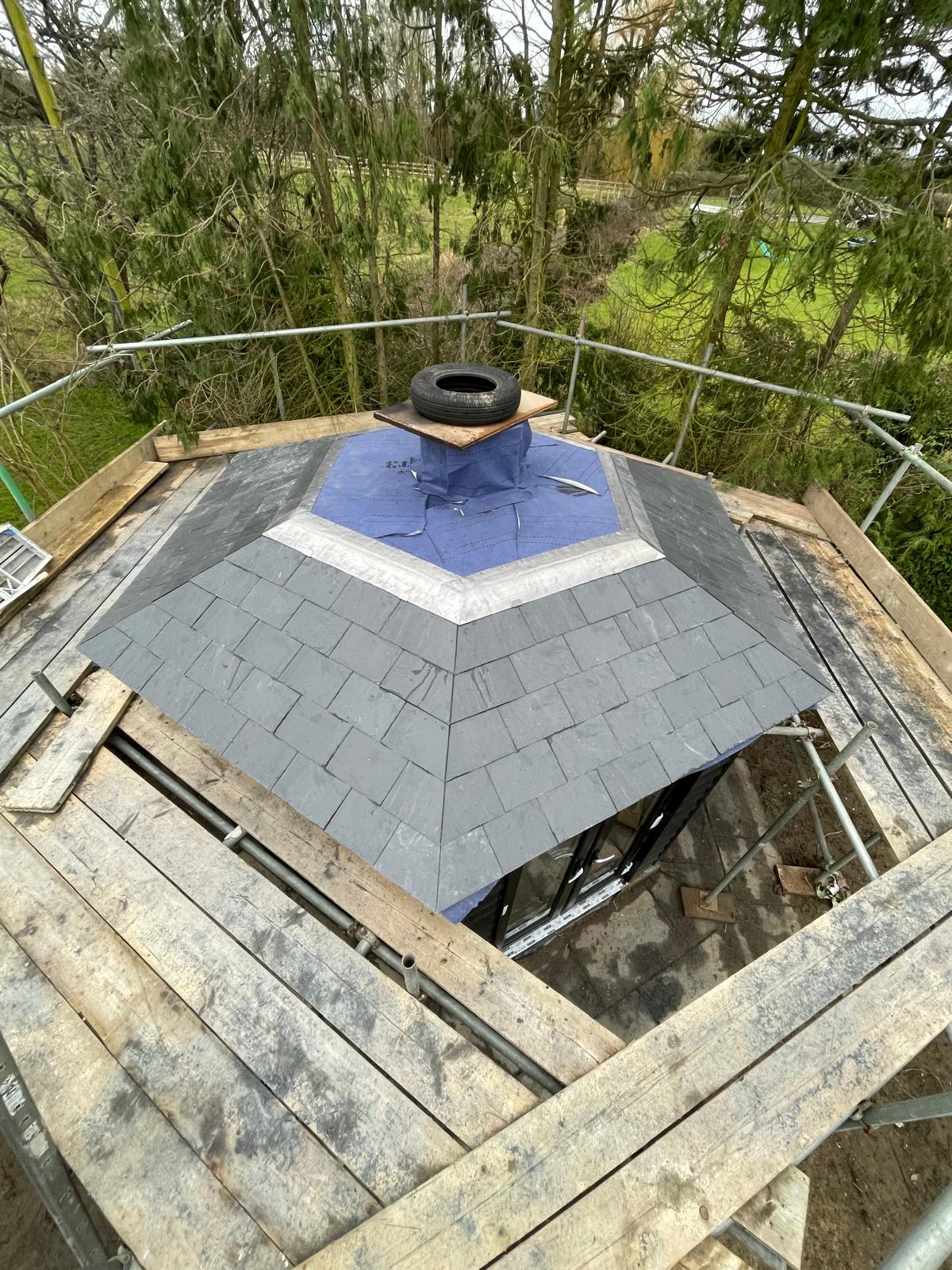
Natural slate changes the conversation. Spanish slate can make sense in Essex on non-listed homes, with projects on an average semi commonly ranging from £12,000 to £22,000 depending on grade, size, and detail. British slate, when available in consistent quality, pushes costs higher. Fitting slate is detail work. You pay for the craft in valleys, at verges, and in the leadwork around chimneys.
Flat roofs vary widely. A small single garage might take a high-quality torch-on felt or single-ply membrane for £1,200 to £2,500. Warm-roof build-ups with tapered insulation and proper edge details on a 25 m2 kitchen extension typically run £3,500 to £7,000 for felt or single-ply. GRP systems, when installed correctly on a well-prepared deck, sit in a similar bracket. The difference is not only material; it is the preparation, falls, and how the system handles outlets and skylights.
Repairs have their own economics. A slipped tile re-seated with a roof ladder and proper fixings might cost a few hundred pounds, mostly in time and safe access. A chimney reflash with code 4 or 5 lead, plus a new tray and repointing, commonly lands between £600 and £1,200 depending on the stack. Valley replacements on interlocking tiles can run from £900 to £2,000, with cement valleys often upgraded to dry-valley systems that shed water more reliably.
These are living ranges, not fixed tags. We have quoted two adjacent houses in Witham with only a year between them and found a 15 percent cost difference. One had a driveway and clean access for scaffold. The other had a rear extension with fragile roof lights and a narrow alley that needed protection boards and extra labour for every lift.
Where Chelmsford and its neighbours differ
Working as roofers Chelmsford clients call on regularly, we see micro-markets. Chelmsford brings a mix of 1960s semis and new estates around Great Baddow and Springfield, with decent access and uniform truss roofs that suit concrete or clay tiles. Scaffolding is usually straightforward. Compare that with older stock in Maldon or villages near Thaxted, where hipped roofs meet chimneys at awkward angles and conservation officers like-for-like materials on sightlines. The latter pushes toward clay or slate, plus more leadwork.
Coastal Essex, in parts of Southend and along the Thames estuary, faces salt-laden winds. Fixings matter more there. Stainless or coated fasteners, proper breathable membranes rated for high exposure, and secure dry ridge systems reduce callbacks. The upfront material premium is a small percentage of the job, but the labour saved in future visits is real.
Essex has its share of loft conversions that stopped short of proper ventilation. In Chelmsford terraces, we often retrofit over-fascia vents or tile vents when reslating a front pitch that bridges into a dormer. The added few hundred pounds, spread across a 20-year horizon, is cheap insurance against hidden mould in the loft.
Reading roofing quotes without guesswork
We regularly meet homeowners holding three quotes with thousands of pounds between them. Price checks can help, but only if you compare like with like. A detailed quote should spell out materials, fixings, underlay, insulation plan, lead codes, waste removal, scaffold scope, and contingencies. It should show what is excluded as clearly as what is included.
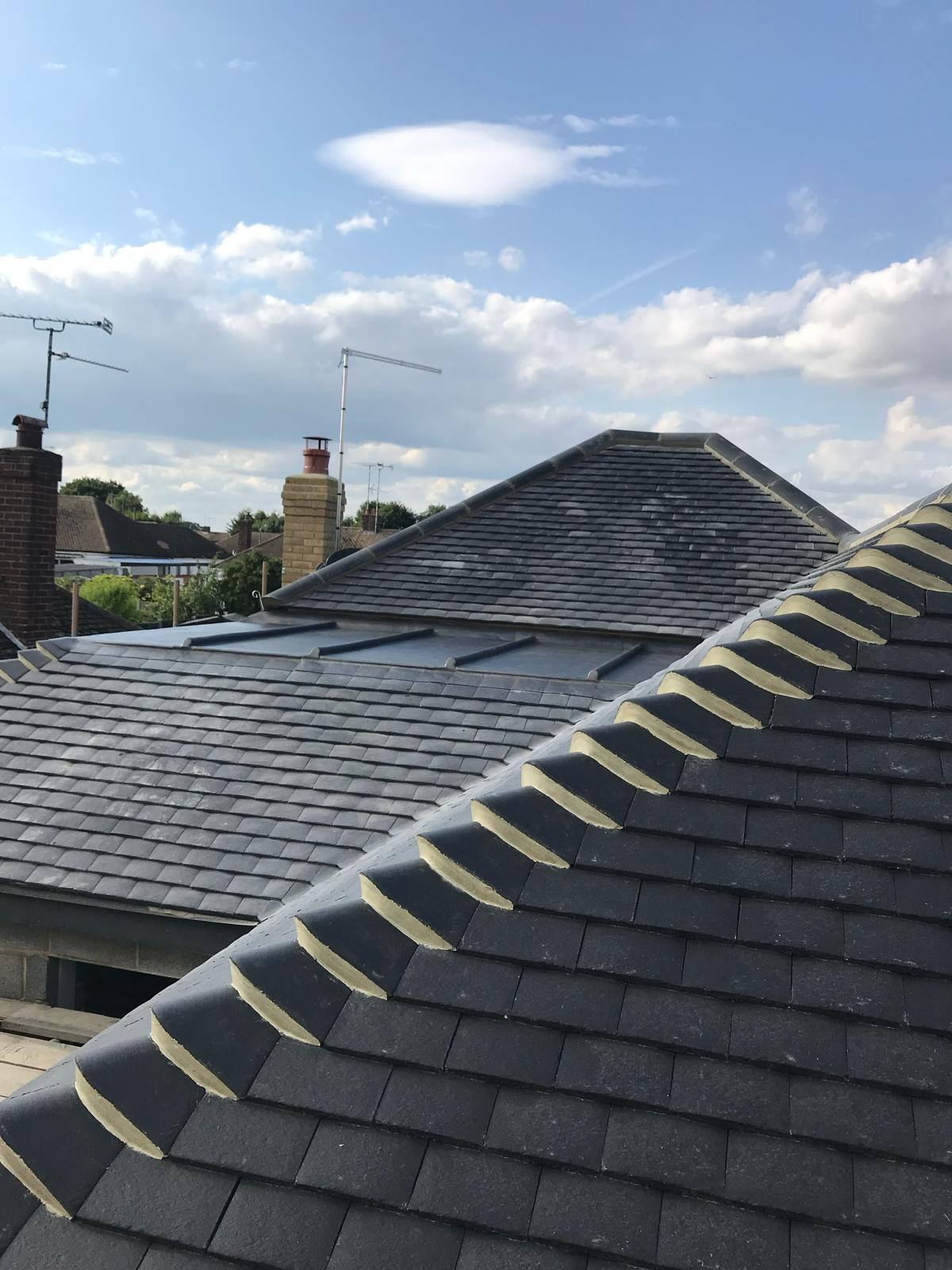
If a price looks surprisingly low, look for the missing items. Are they reusing battens? Are they assuming no timber repairs? Is the lead code specified, or is it just “lead flashing”? Are ridge and hip systems dry-fixed, including universal ridge unions, or is the plan to rebed cement and hope for the best? Dry systems cost more in materials and less in callbacks. Many councils prefer them for ventilation and durability.
We sometimes see quotes omit scaffold beyond a front elevation to keep the headline number down. That leaves you exposed to an add-on later, especially when the rear pitch inevitably needs access. Another common gap is waste. Old tiles, battens, felt, and broken mortar add up to a full skip or two. A sound quote includes removal and disposal, not a vague mention of “site left tidy.”
Payment terms tell you as much about a contractor as the logo. A small deposit to secure a slot and staged payments against progress is standard on larger jobs. Large upfront payments for materials should come with supplier confirmations and be proportionate to the lead time. For a two-day repair, most reputable roofers in Essex work on completion or a modest booking fee.
The scaffolding wildcard
Scaffold is one of the least glamorous costs and one of the most decisive. We see simple two-lift scaffolds around a semi at £1,200 to £1,800 for two to three weeks. Add a pavement license in parts of Chelmsford City Council area, and the figure can nudge up with fees and admin time. Rear access through neighbours, protecting conservatories, fragile roofs that need spanning, and awkward dormers all shift the figure. If you are comparing quotes, confirm who carries scaffold risk if the council requests alterations after inspection.
On terrace rows, expect first-day lost time as scaffolders work around traffic and deliveries. These hours do not show up on line items, but they tax the programme and sometimes force weekend strikes to avoid penalties. If your job can flex midweek, tell your roofer. We often pass a saving back when the logistics become simpler.
Lead, flashings, and the value of detail
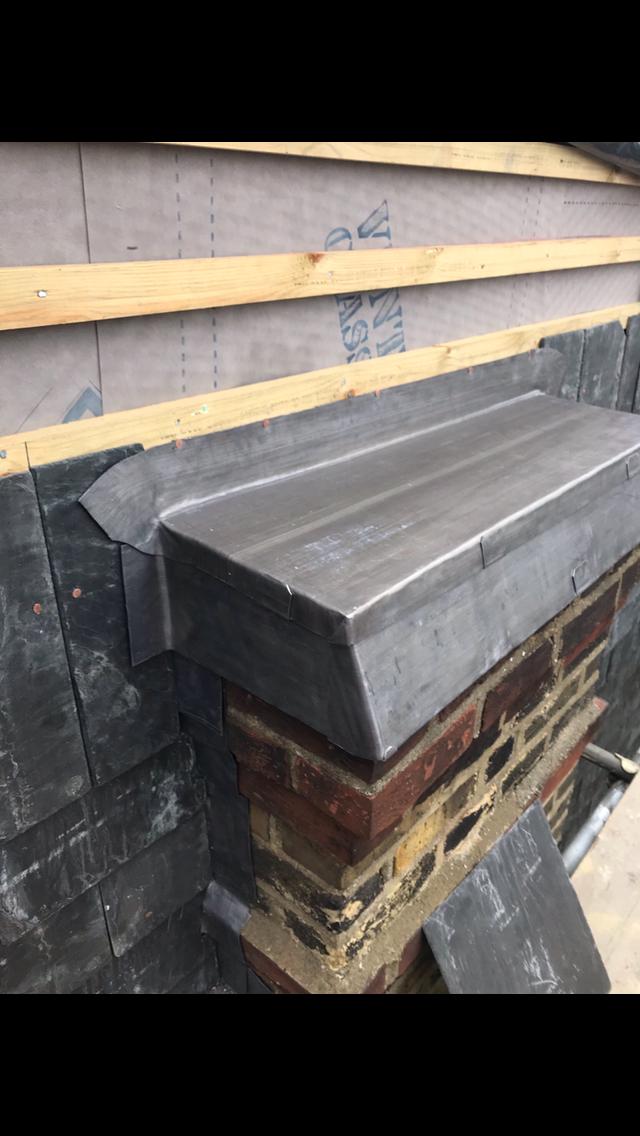
Lead prices move, and so do the costs of doing it right. Chimney trays, step flashings, and soakers need the correct code and careful dressing, plus fixings that allow for thermal movement. Shortcuts with adhesive flashings or skimmed mortar beds invite water inside brickwork. We have gone back to fix recently refurbished chimneys that failed in a year because a builder used a thin lead offcut and no tray. A proper chimney flashing job forces you to open the brickwork, insert the tray, and rebuild. It takes time and skill.
On valleys, the shift from cement to dry systems is not just fashion. Cement cracks in freeze-thaw cycles, especially in exposed areas near the coast. Dry valleys, properly installed with the matching profiles, shed water and allow airflow. They also handle the sudden downpour that Essex storms deliver from late summer into early autumn.
Insulation, ventilation, and regulation
When we strip a roof, we look for signs of condensation: black spotting on felt, damp rafters near eaves, stale odours where insulation chokes the airflow. The fix is not always more ventilation; sometimes it is better insulation and a continuous air path from eaves to ridge. Building Control in Essex districts generally expects re-roofs to avoid making thermal performance worse, and they often encourage improvements.
For pitched roofs with loft spaces, topping up insulation to current recommended levels, typically 270 mm or more of mineral wool in layers, is a straightforward win. If the ceiling line has been raised or rooms-in-the-roof exist, warm-roof solutions or targeted ventilation become critical. Budget a few hundred pounds for additional vents and upgrades on a standard semi, M W Beal and Son Roofing Contractors more if the roof geometry is complicated.
Flat roofs demand a choice: cold-roof or warm-roof. In practice, warm roofs with external insulation above the deck perform better and reduce condensation risk. They cost more upfront and require precise detailing at edges and upstands. If you are extending a kitchen in Chelmsford and planning skylights, ask your roofer how falls will be achieved and how thermal bridges at kerbs will be handled. These are not fringes; they are the heart of a leak-free, mould-free roof.
Sourcing materials in Essex
Local merchants in Essex carry reliable brands for tiles, slates, membranes, and dry fixings. Supply shortages happen, especially after storms or when a large development pulls from the same stock. A good contractor will present alternatives with equivalent performance and warranties, not just the closest lookalike. For example, we have occasionally swapped a preferred interlocking tile for a similar profile to maintain schedule, but only after checking rafter spacing, batten gauges, and manufacturer guidance.
Lead supply has been steadier recently, though prices have risen over the last few years. Do not be surprised if quotes hold for 30 days or less; suppliers revise rates quickly. Membranes vary widely too. We favor breathable membranes from reputable brands, especially in exposed villages near the coast. The cost difference per roll feels small, but the longevity payoff is meaningful.
Warranty, aftercare, and what they really mean
Homeowners often ask about a 10 or 20 year guarantee. Two warranties usually exist. The first is a workmanship guarantee from the roofer. The second is a manufacturer warranty for materials, sometimes tied to approved installer schemes. Read the conditions. A membrane might carry a 15 year warranty, but only when installed with specific tapes and laps. A dry ridge kit might rely on a ventilated ridge batten support system.
We have returned to roofs within five years to remedy small issues under our workmanship guarantee. A slipped ridge cap after a wind event, a tile cracked by a TV aerial installer, or a blocked valley after a nearby tree sheds unexpectedly. The relationship matters. Choose a firm that has been trading locally for years, with an address and phone number that predate last month’s storm.
Managing budget without inviting risk
If your budget is tight, there are smarter and riskier places to save. Reusing sound tiles on a repair can be prudent on older clay roofs where new tiles would look patchy. On a full renewal, reusing old battens or skimping on membrane quality is false economy. So is cement-based ridge fixing on a windy site. You can defer gutter replacement if it is fundamentally sound, or choose a mid-range tile over a premium line with minor aesthetic differences.
Phasing work is sometimes viable. We have split front and rear slopes across two seasons when access allows. It requires good planning of scaffold and weather windows. For flat roofs, we sometimes overlay an existing system with a new membrane where the deck is sound, saving the strip-out cost. That decision relies on moisture testing and careful inspection. If any roofer suggests an overlay without lifting at least a representative section, ask more questions.
What can go wrong in Essex, and how to prevent it
There is no shortage of cautionary tales. On a 1920s semi in Chelmsford, a client accepted a low quote that reused most battens. Within a year, the roof sagged near the eaves. The battens had been notched by previous work and could not hold modern interlocking tiles under wind load. We re-battened the bottom courses and fitted eaves support trays to correct the line. The repair cost almost as much as the original saving.
On a coastal job near Canvey Island, a well-meaning builder used general steel screws on ridge kits. Within two years, corrosion set in, and a winter gust lifted a section of ridge. We replaced with stainless fixings and added mechanical ventilation at the ridge to reduce positive pressure under the tiles during gusts. That tiny line item made the difference.
At a cottage near Saffron Walden, conservation guidelines demanded like-for-like clay. The owner tried to source reclaimed tiles privately. Half were brittle, edges spalled, gauges inconsistent. Sorting and rejecting the bad tiles turned into a time sink that erased the apparent bargain. For period roofs, matching appearance while retaining consistent gauge often needs a mix of select new clay and sympathetic detailing around hips and ridges. It avoids the patchwork look and lasts.
Planning, timelines, and living through the work
A typical semi re-roof, with scaffold up, strip, remedial carpentry, membrane and battens, tiling or slating, ridge works, leadwork, and cleanup, takes five to ten working days with a steady three or four-person crew. Weather extends this, not just for rain, but for high winds that make working at height unsafe. We build weather contingency into our programmes and prefer to call a weather day rather than push and risk poor workmanship or safety.
Noise comes mostly from stripping and cutting. Dust arrives on the first days and when chasing in lead around brickwork. Good teams sheet down, protect gardens, and manage skips tidily. Tell your roofer about delicate plants, ponds, or tracing cables near eaves. We have moved planters and trellises to keep the scaffold build cleaner and safer.
Communication keeps projects smooth. A brief daily update, a mid-job check on discovered issues like rotten fascia ends, and signed-off variations protect both sides. If you are comparing roofers in Essex, ask who will be on site daily, not just who sells the job. Continuity lowers mistakes.
How M.W Beal & Son approaches cost and value
As M.W Beal & Son Roofing Contractors, our practice has settled into a few habits that save headaches.
- We survey roofs from outside and in, including loft spaces where accessible, before issuing a firm price. Finding rotten sarking late helps no one. We specify materials by brand and type, including lead codes, membrane grade, batten size and treatment, and the exact dry fix system components. It prevents mystery substitutions. We include scaffold and waste in the base price unless the site needs unusual measures that we flag as provisional sums. Where permits are required, we handle the paperwork and disclose the council fees. We propose ventilation upgrades, insulation touch-ups, and minor timber repairs as menu items with prices. You can accept or defer with eyes open. We stand by workmanship with written guarantees tied to our trading history. If something shifts or rattles in the first weather cycle, we return.
Those principles do not make us the cheapest on every tender. They make the final invoice match the expectation, and the roof perform through the second winter, not just the first.
A focused guide to getting a fair, durable roof in Essex
- Get a survey that includes loft inspection, photos, and notes on ventilation and timber condition. It turns unknowns into line items. Ask for specified materials by name, including membrane, fixings, batten size, and lead codes, with data sheets if you want them. Confirm scaffold scope, permits, waste removal, and access plans in writing so add-ons do not ambush you mid-job. Compare warranties: workmanship term, manufacturer cover, and any installer accreditation that keeps the material warranty valid. Reserve 10 to 15 percent of the budget for contingencies like hidden timber decay or necessary ventilation changes. If unused, it is a win.
When a repair beats a renewal
There is a point where patching throws good money after bad. Yet many Essex roofs still have a decade left with targeted work. We assess a roof’s remaining life by looking at tile surface wear, water absorption, brittleness at corners, nail corrosion, and the membrane’s state at laps. If two or three scattered leaks relate to aging cement valleys or a tired chimney flashing, repairing those elements can give you five to eight more watertight years. On the other hand, if tiles snap at light handling and the felt tears at a touch, you would be buying time with every pound spent on patching.
In Chelmsford estates from the 1980s, we have had success replacing failing dry verge systems and re-fixing ridges while leaving the field tiles in place. The cost is a fraction of a full re-roof and restores wind resistance. On older clay roofs in the villages, replacing failed undercloak and reworking gables has extended life with minimal visual change.
The quiet costs that do not appear on the quote
Insurance and compliance add overhead most customers never see. Public liability and employers’ liability scale with project size and risk. Waste transfer licenses matter if material leaves your driveway. Training for hot works on felt roofs, rescue kits for working at height, and periodic inspection of harnesses and ladders are not optional. Uninsured or untrained crews cut these corners and pass you the risk. When a price looks out of step with the market, ask for insurance details and relevant certifications. Reputable roofers in Essex will share them.
Final thoughts for Essex homeowners
Roofing in Essex is a balancing act between material quality, skilled labour, and local realities like access and planning. The cheapest headline rarely captures that balance. A clear survey, a detailed specification, and a contractor with a track record in towns like Chelmsford, Braintree, and Maldon tilt the odds in your favour.
If you want a second pair of eyes on a quote or you are unsure whether a repair will hold, ask for a site visit. We would rather spend an hour advising than see someone spend thousands on work that misses the mark. For many homes, a roof is not just weather protection. It shapes kerb appeal, energy performance, and the day you sell. The right decision often costs a little more in month one and much less across year ten.